Optimal Timing for Retaining Wall Installations
Retaining wall installations are influenced by seasonal weather patterns, soil conditions, and project complexity. Timing can impact the durability and success of the construction process.
Spring and early fall are generally ideal due to moderate temperatures and lower precipitation, which facilitate excavation and curing processes.
Avoid periods of heavy rain or extreme heat to prevent soil instability and ensure proper setting of materials.
Dry, stable soil conditions support better foundation work and reduce the risk of shifting or failure.
Scheduling during mild weather allows for easier access to the site and reduces delays caused by adverse conditions.
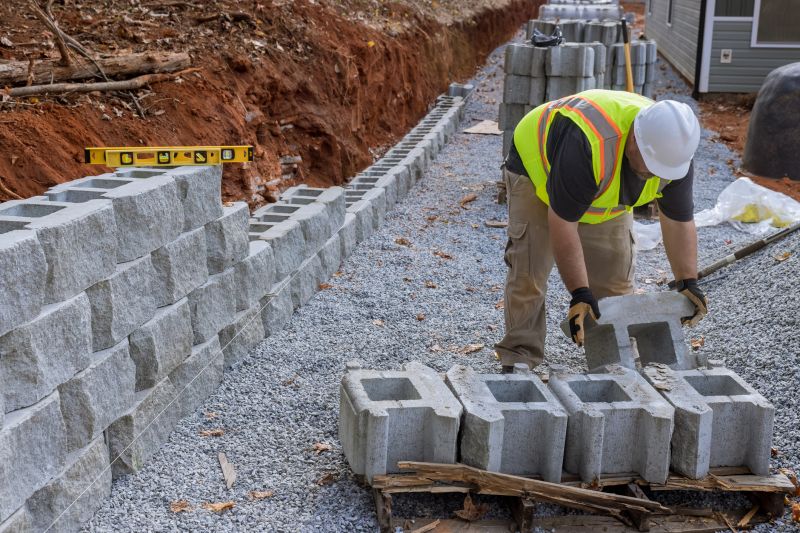
A construction site with machinery and prepared soil for wall installation.
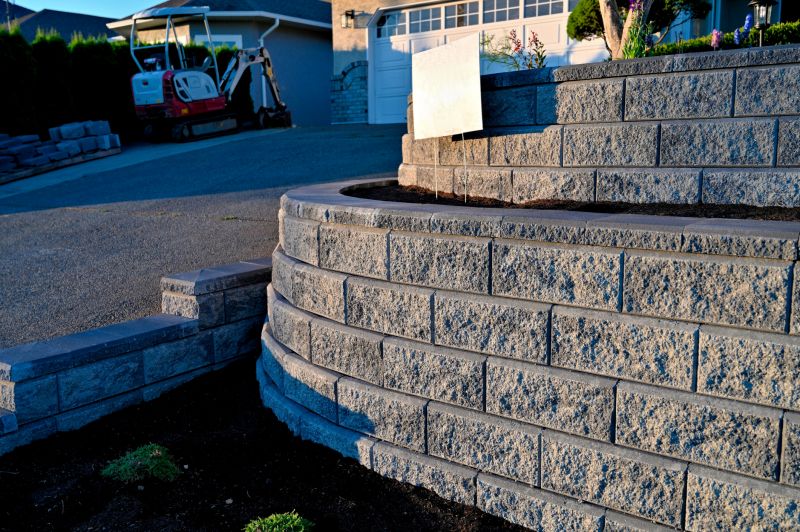
Excavation work underway during optimal weather conditions.
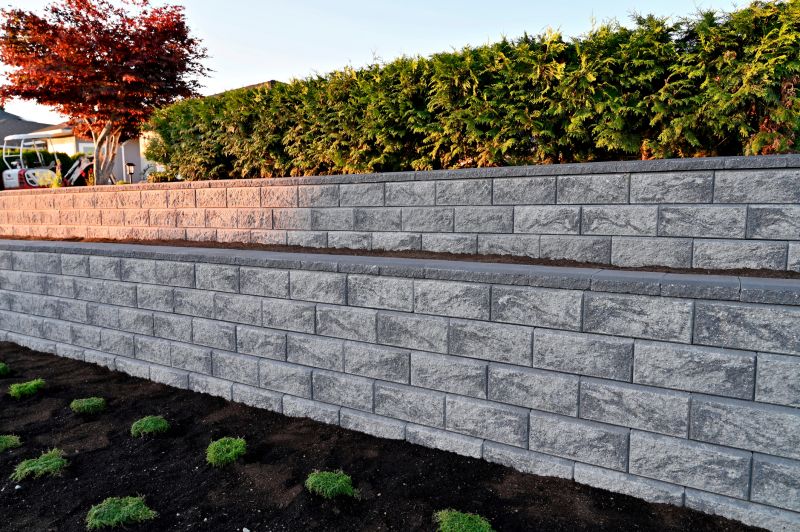
A finished retaining wall showcasing proper alignment and stability.
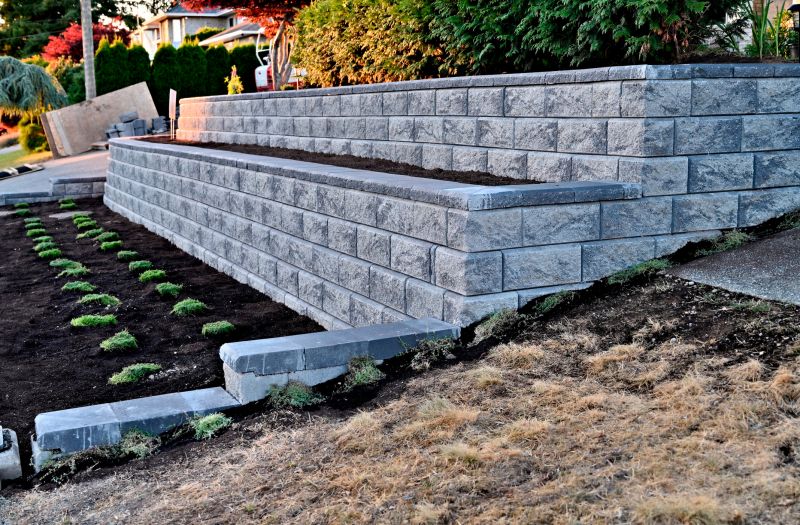
Ways to make Retaining Wall Installations work in tight or awkward layouts.
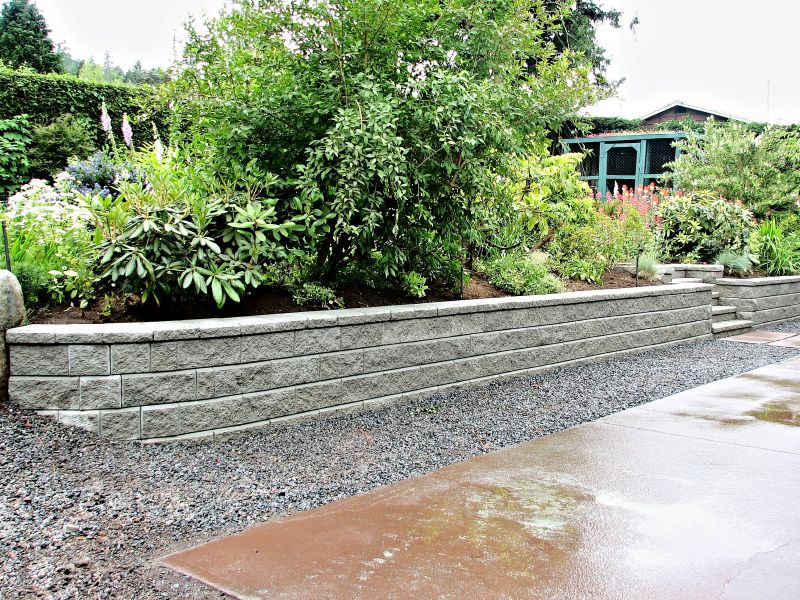
Popular materials for Retaining Wall Installations and why they hold up over time.
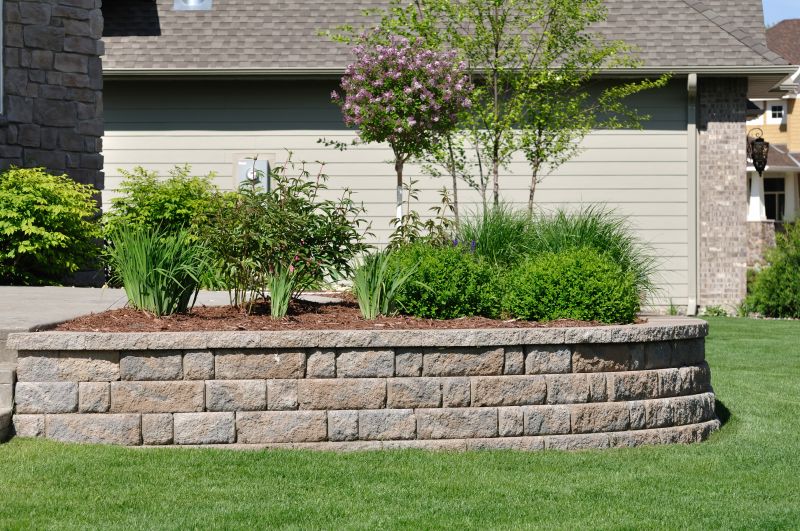
Simple add-ons that improve Retaining Wall Installations without blowing the budget.
Retaining walls are essential structures used to hold back soil and prevent erosion, often serving both functional and aesthetic purposes. Proper timing of installation can maximize the longevity and effectiveness of these structures. Factors such as soil moisture levels, temperature, and weather conditions directly impact the construction process and the performance of the wall over time. For example, installing during dry periods minimizes soil movement and ensures better compaction, leading to increased stability.
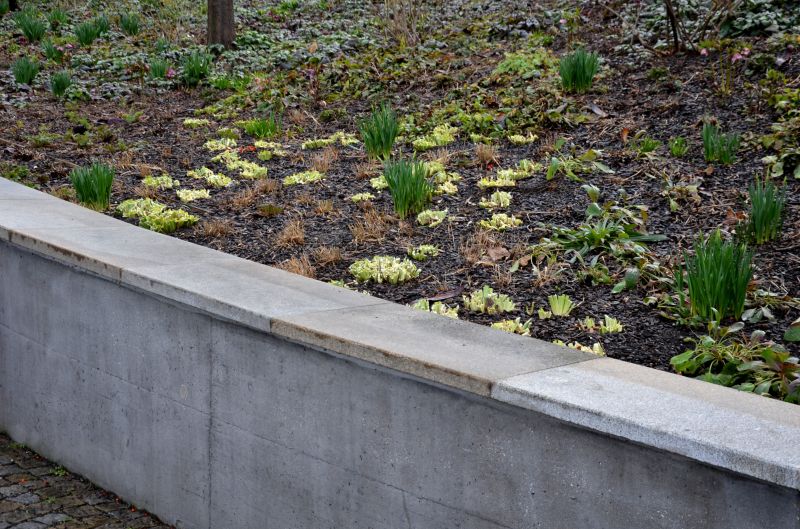
Soil testing before installation ensures suitability and optimal timing.
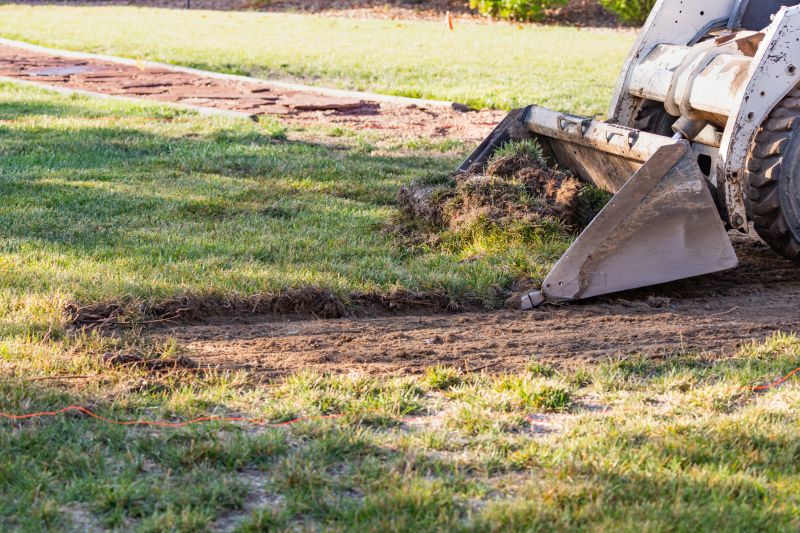
Machinery used during installation in favorable weather.
Materials arriving on-site during appropriate weather conditions.
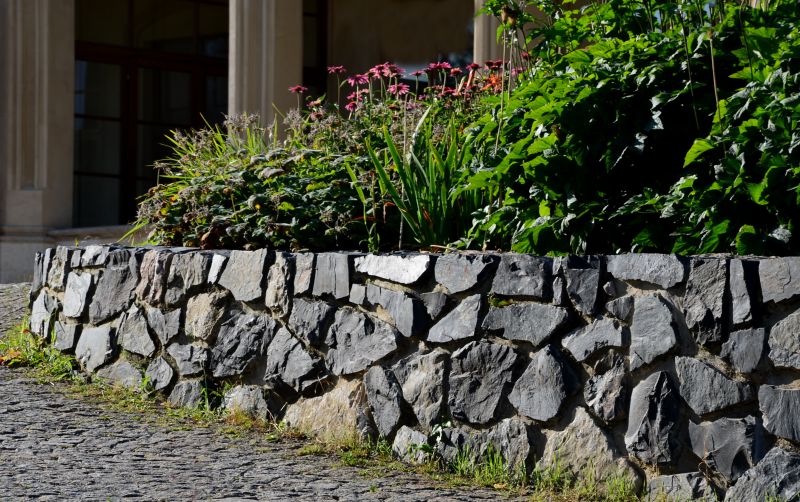
A landscaped area with a newly installed retaining wall.
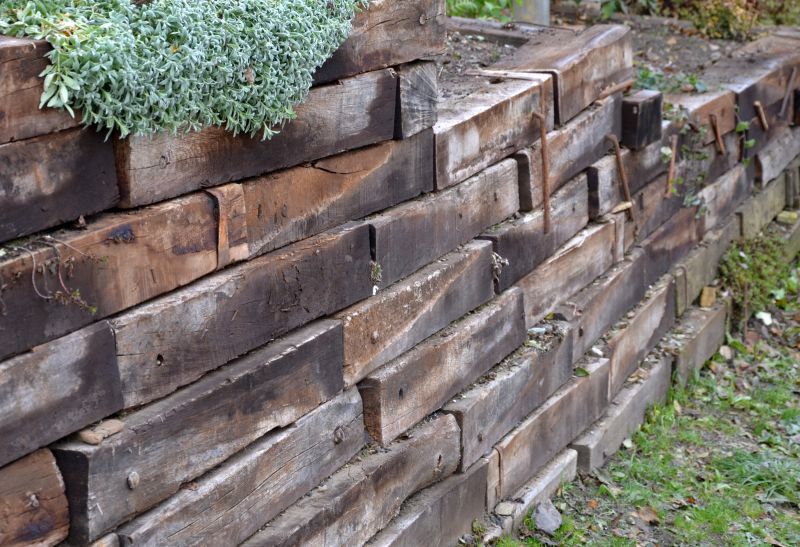
High-end options that actually feel worth it for Retaining Wall Installations.
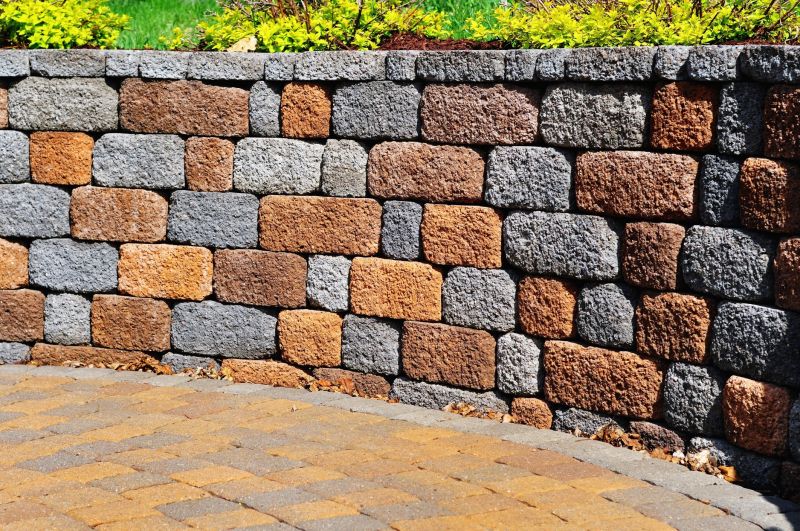
Finishes and colors that play nicely with Retaining Wall Installations.
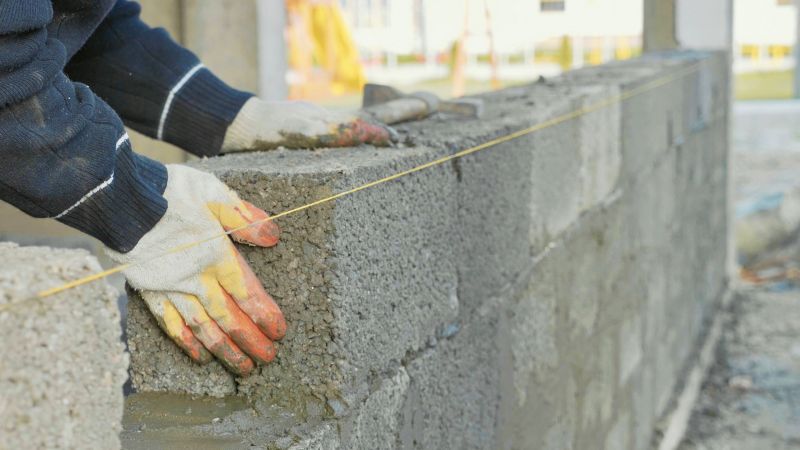
Little measurements that prevent headaches on Retaining Wall Installations day.
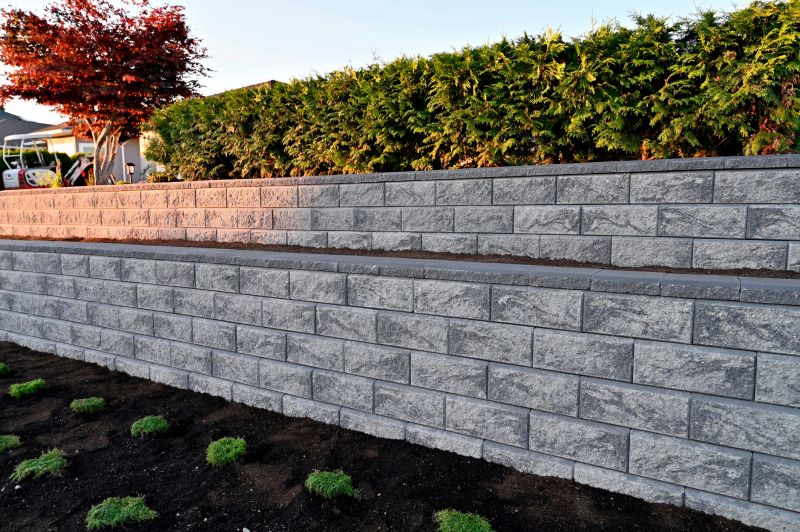
A 60-second routine that keeps Retaining Wall Installations looking new.
| Season | Best Practices |
|---|---|
| Spring | Schedule early to avoid spring rains; ensure soil is dry before excavation. |
| Summer | Use during early summer with cooler temperatures; avoid peak heat. |
| Fall | Ideal for installation due to moderate weather and soil conditions. |
| Winter | Generally not recommended unless in mild climates; frozen ground complicates work. |
| Post-Installation | Allow proper curing time before exposing the wall to heavy loads or weather extremes. |
Choosing the appropriate time for retaining wall installation involves considering local climate patterns, soil moisture levels, and project scope. Proper timing enhances the structural integrity and reduces maintenance needs. Consulting with professionals can help determine the most suitable window for construction based on specific site conditions.
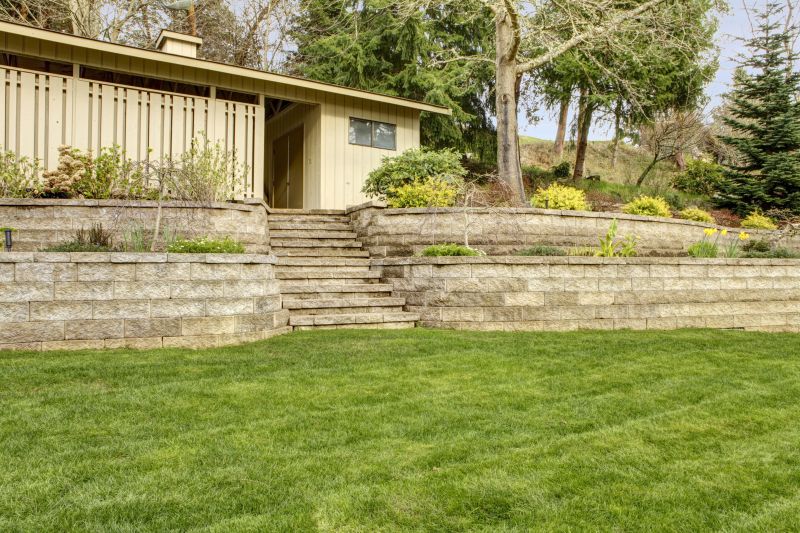
Planning construction during optimal weather windows.
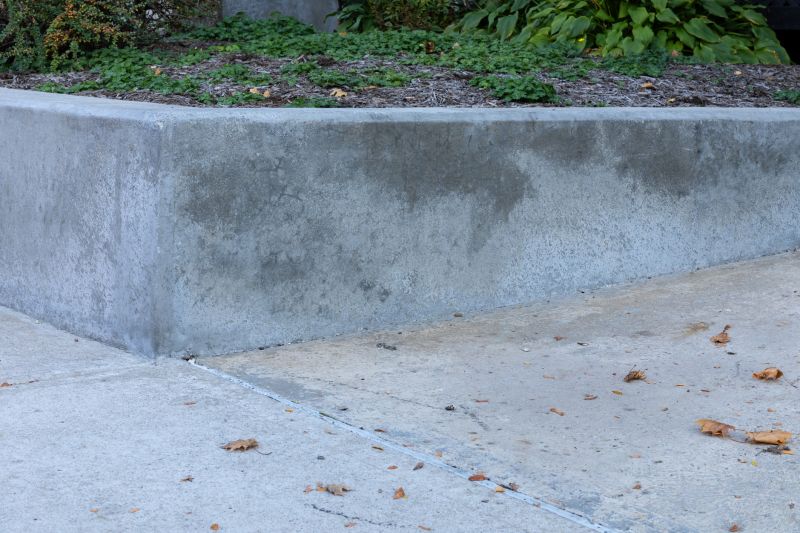
Monitoring weather conditions to select ideal installation days.
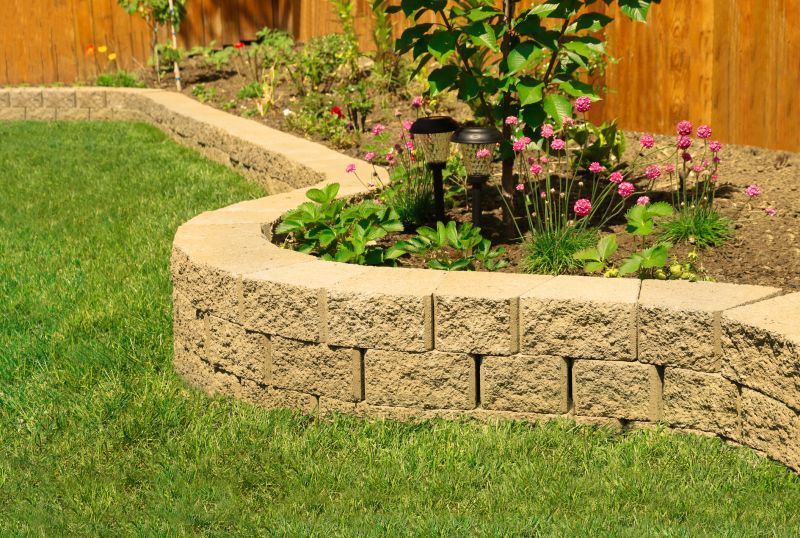
A durable retaining wall built during the recommended season.
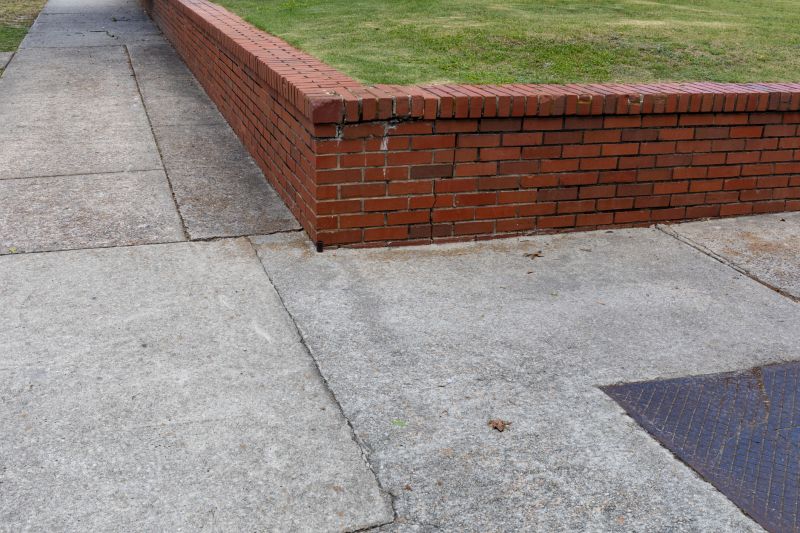
A frequent mistake in Retaining Wall Installations and how to dodge it.
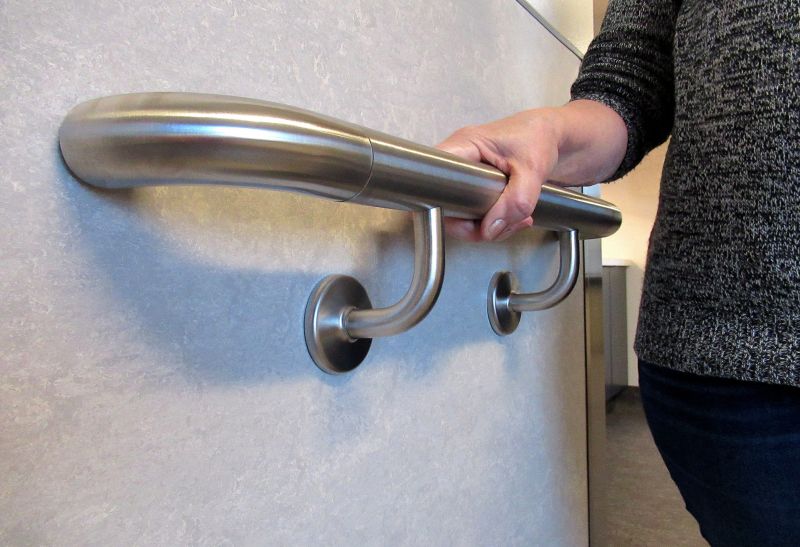
Small tweaks to make Retaining Wall Installations safer and easier to use.
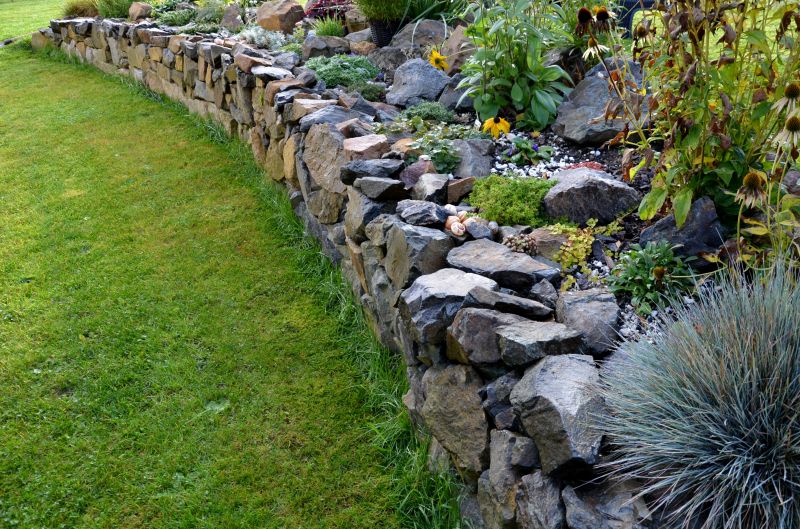
Lower-waste or water-saving choices for Retaining Wall Installations.
Interested in scheduling a retaining wall installation? Filling out the contact form can provide more information and help plan the project during the most suitable time for optimal results.