Expert Retaining Wall Construction and Design
Retaining walls are essential structures that hold back soil and prevent erosion on sloped terrains. Properly installed retaining walls enhance landscape stability, improve drainage, and can add aesthetic value to outdoor spaces. The complexity of these installations varies based on site conditions, wall height, and material choices, making professional expertise critical for optimal results.
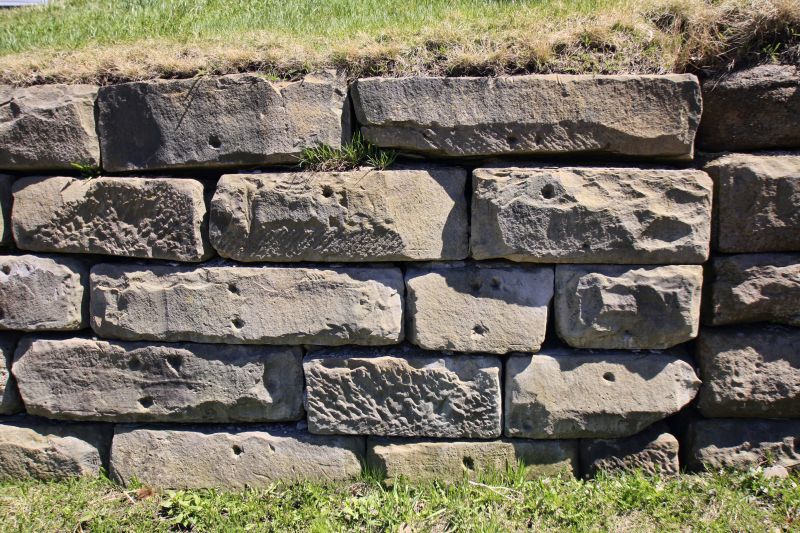
Stone walls provide a natural look and durability, suitable for various landscape designs.
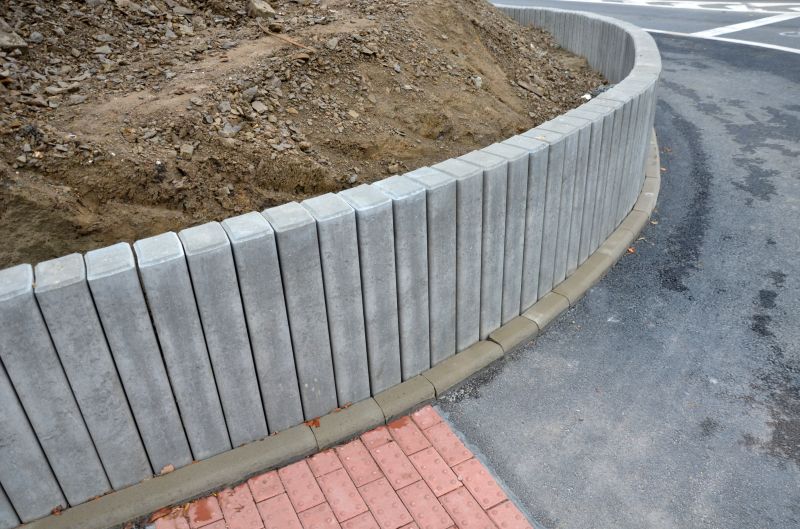
Concrete walls offer strength and versatility, often used in larger, more structural applications.
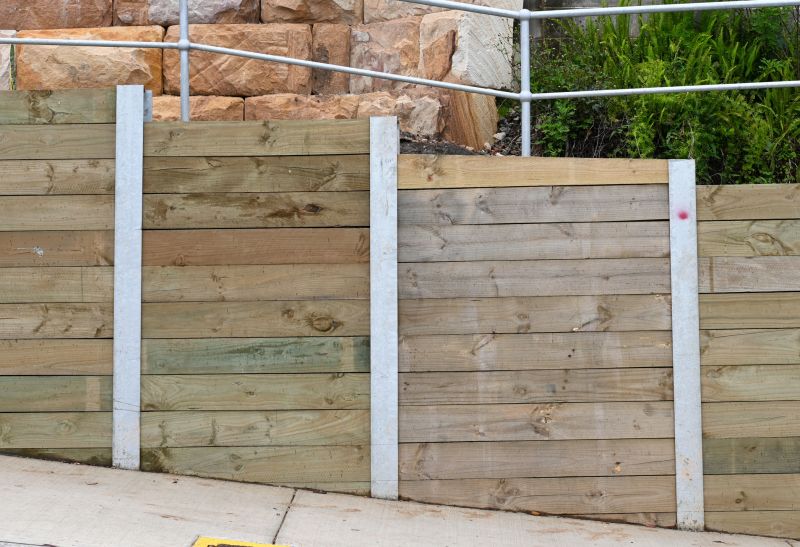
Timber walls are ideal for smaller projects and provide a rustic appearance.
Retaining wall construction involves several key steps, including site assessment, design planning, excavation, foundation preparation, material placement, and finishing. Each phase requires precision to ensure the wall's stability and longevity. The entire process can range from a few days to several weeks, depending on the size and complexity of the project.
Engaging a professional for retaining wall installations ensures proper planning, adherence to safety standards, and durable results. Experienced installers evaluate soil conditions, drainage requirements, and structural loads to select appropriate materials and construction techniques, reducing the risk of future issues such as wall failure or soil erosion.
Assessing soil type, slope, and drainage to determine the best wall design.
Creating detailed plans that account for load-bearing capacity and aesthetic preferences.
Preparing the site and laying a stable base for the retaining wall.
Constructing the wall using selected materials with proper reinforcement.
| Material Type | Advantages |
|---|---|
| Stone | Natural appearance, durability, low maintenance |
| Concrete | High strength, customizable shapes, long-lasting |
| Timber | Cost-effective, easy to install, rustic charm |
| Gabion | Flexible design, good drainage, modern look |
| Segmental Blocks | Ease of installation, variety of styles |
The choice of material impacts not only the aesthetic appeal but also the structural integrity and maintenance requirements of the retaining wall. Proper installation techniques, including adequate drainage and reinforcement, are essential to prevent issues such as shifting or cracking over time.
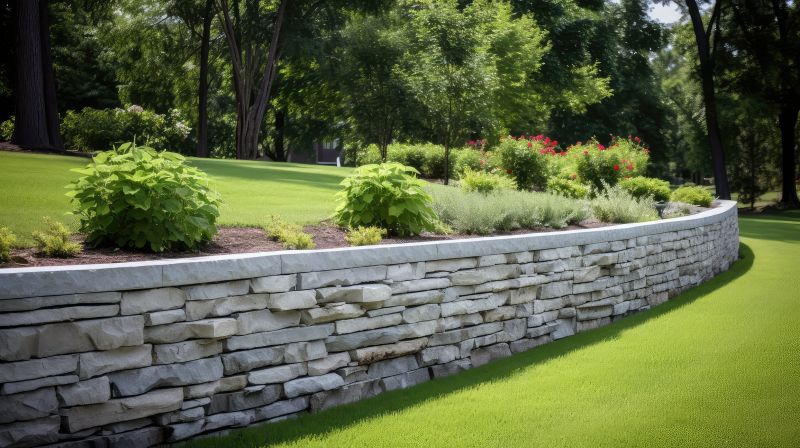
A sturdy, natural-looking stone retaining wall enhancing landscape features.
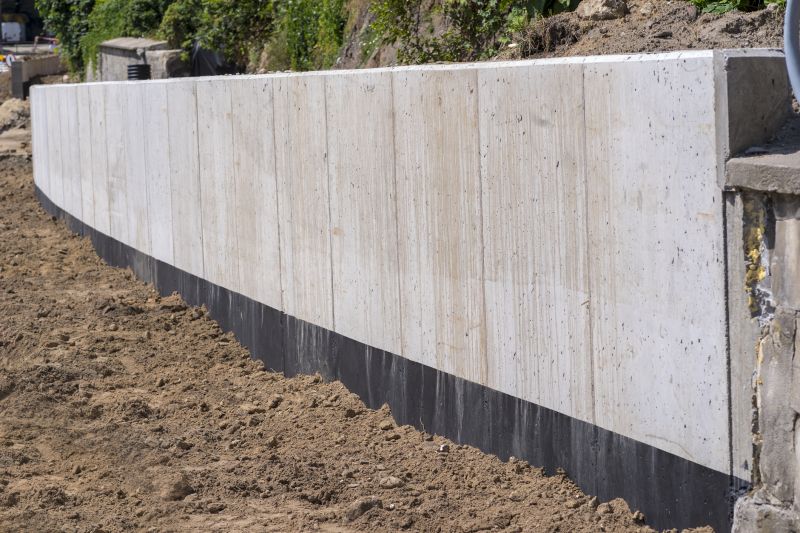
A sleek, durable concrete retaining wall supporting a sloped yard.
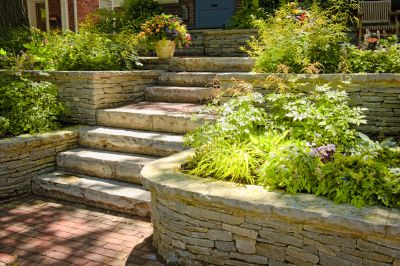
A rustic timber retaining wall integrated into a garden setting.
The installation of retaining walls requires careful planning and skilled craftsmanship to ensure structural stability and visual appeal. Properly constructed walls can last for decades, providing reliable support and enhancing property value.
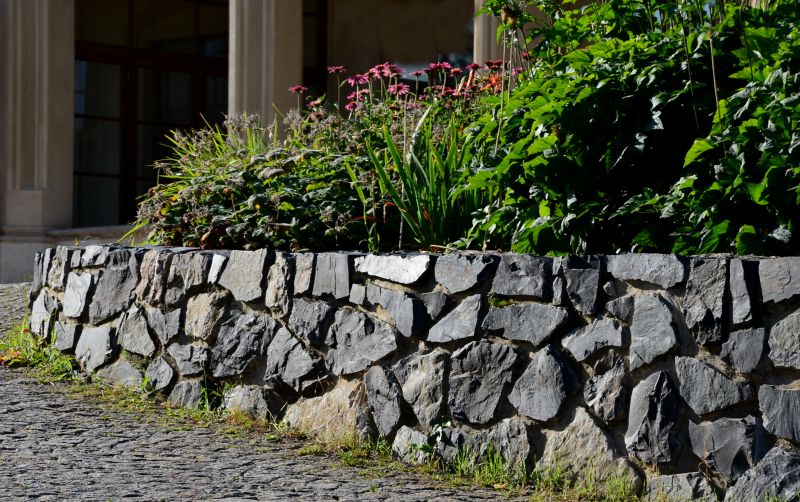
A substantial retaining wall supporting a terraced landscape.
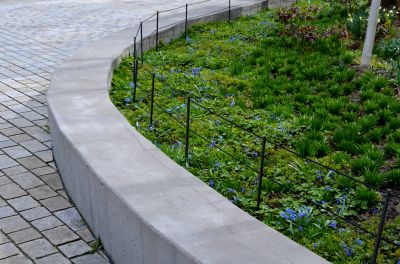
A decorative wall separating garden beds with clean lines.
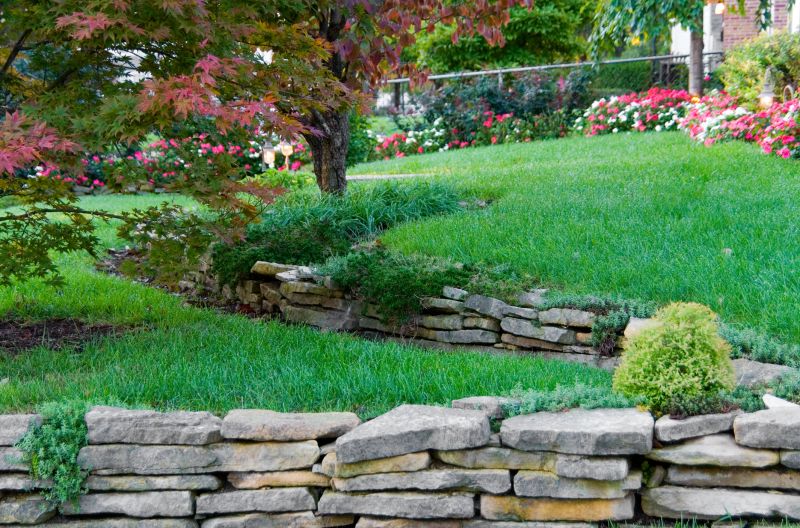
Multiple levels of walls creating a tiered landscape design.
For best results, retaining wall projects should be undertaken by experienced professionals who evaluate site-specific conditions and apply proven construction methods. This approach minimizes future maintenance needs and maximizes the structural integrity of the installation.
Interested in retaining wall installations? Filling out the contact form can provide an opportunity to receive detailed information and a tailored quote for upcoming projects.