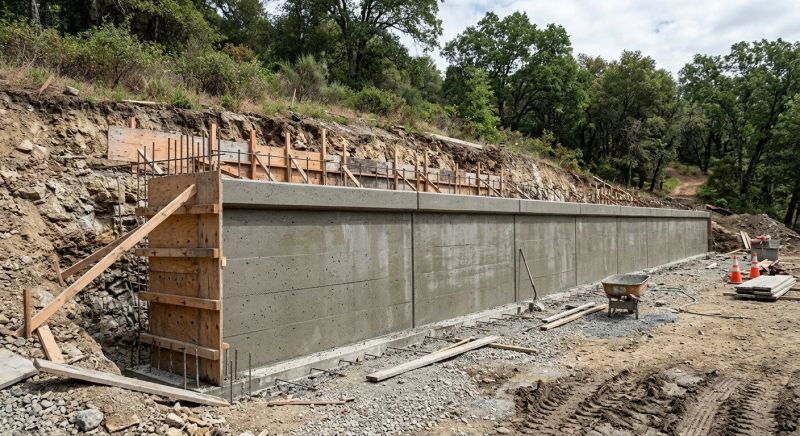
Retention Wall Construction in Daytona Beach, FL
Retention wall construction services involve building sturdy structures designed to hold back soil and prevent erosion on residential properties. These walls are commonly used in landscaping projects such as terracing sloped yards, creating level areas for gardens or patios, and managing drainage issues. Property owners typically want to understand the different types of retaining walls available, including materials like concrete, stone, or timber, and how each can complement the existing landscape. It’s also important to consider the size and height of the wall needed, as well as any local regulations or permits that may be required for construction.
Before requesting retention wall construction, homeowners usually seek guidance on the durability and maintenance of various wall options, as well as the overall impact on their property’s appearance and functionality. Understanding the soil conditions, drainage requirements, and potential landscaping adjustments can help ensure the project meets long-term needs. Consulting with experienced professionals can provide insights into the best materials and designs to suit the specific landscape and aesthetic preferences of the property.
Many property owners in Daytona Beach, FL look into Retention Wall Construction for repairs, replacements, upgrades, and appearance-related improvements.
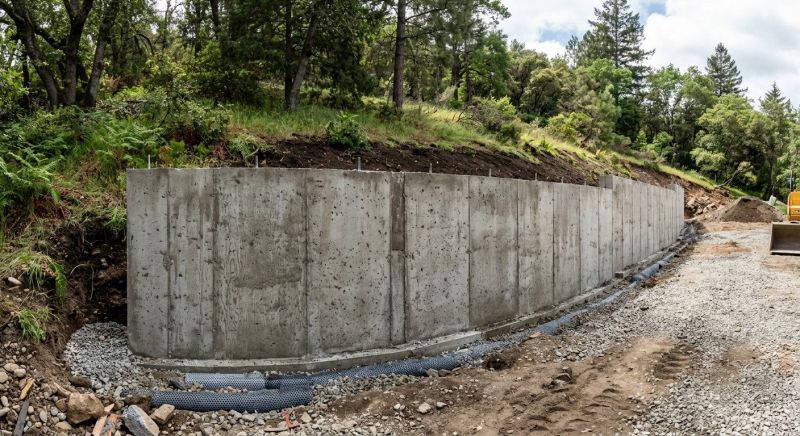
Types Of Retention Walls
Various materials and styles are available to suit different landscape needs in daytona beach.
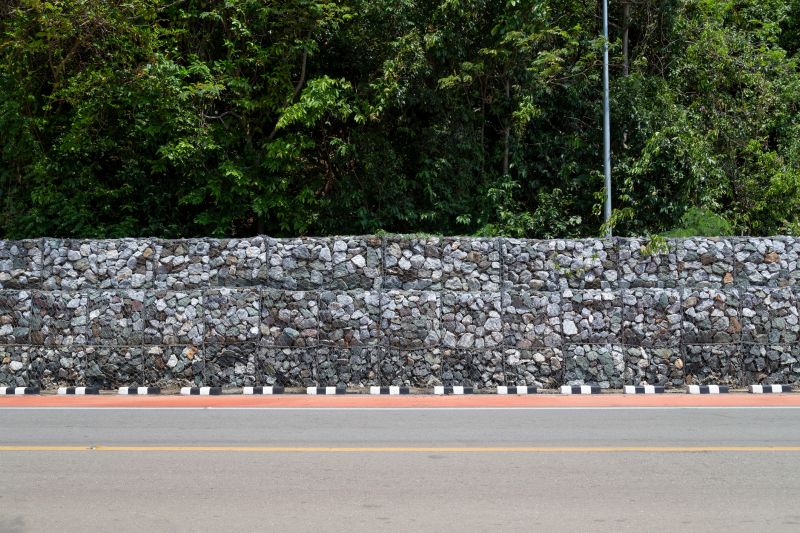
Benefits Of Retention Wall Construction
Properly built walls can prevent erosion and create level outdoor spaces for property owners.
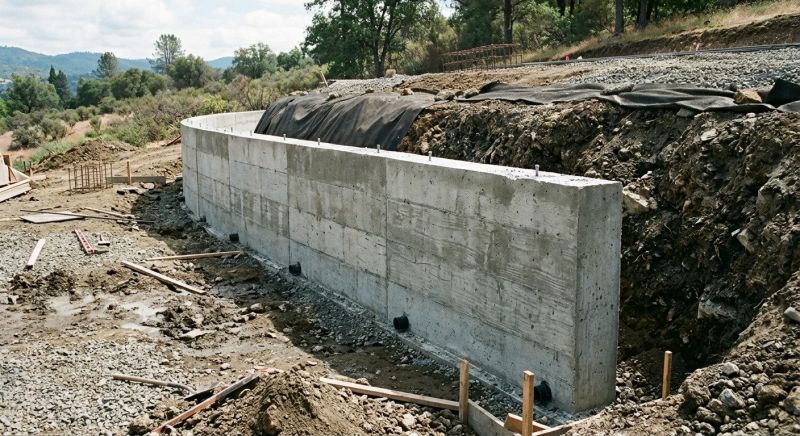
Design Considerations
Selecting the right design ensures durability and complements the overall aesthetic of your property in daytona beach.
Retention Wall Construction in Daytona Beach, FL

Retention wall construction services involve building sturdy structures designed to hold back soil and prevent erosion on residential properties. These walls are commonly used in landscaping projects such as terracing sloped yards, creating level areas for gardens or patios, and managing drainage issues. Property owners typically want to understand the different types of retaining walls available, including materials like concrete, stone, or timber, and how each can complement the existing landscape. It’s also important to consider the size and height of the wall needed, as well as any local regulations or permits that may be required for construction.
Before requesting retention wall construction, homeowners usually seek guidance on the durability and maintenance of various wall options, as well as the overall impact on their property’s appearance and functionality. Understanding the soil conditions, drainage requirements, and potential landscaping adjustments can help ensure the project meets long-term needs. Consulting with experienced professionals can provide insights into the best materials and designs to suit the specific landscape and aesthetic preferences of the property.
Many property owners in Daytona Beach, FL look into Retention Wall Construction for repairs, replacements, upgrades, and appearance-related improvements.
Common Retention Wall Construction Jobs
Retaining Wall Construction - provides support for sloped or uneven terrain to prevent erosion and soil movement.
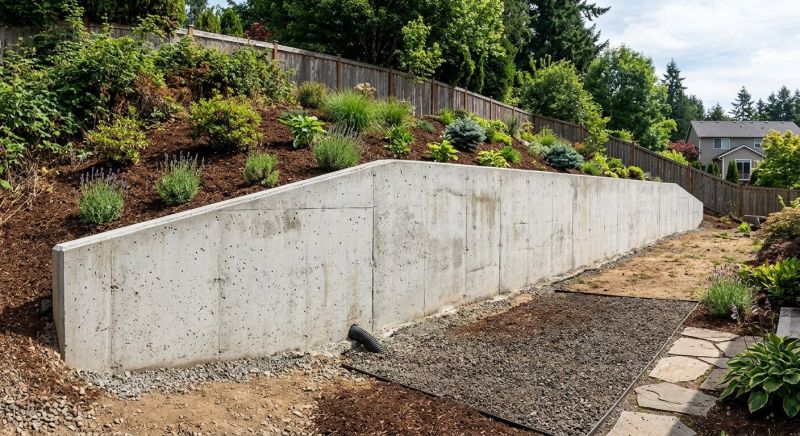
Concrete Retaining Walls - durable solutions ideal for managing heavy loads and creating level outdoor spaces.
Stone and Masonry Walls - enhance landscape aesthetics while offering reliable soil retention.
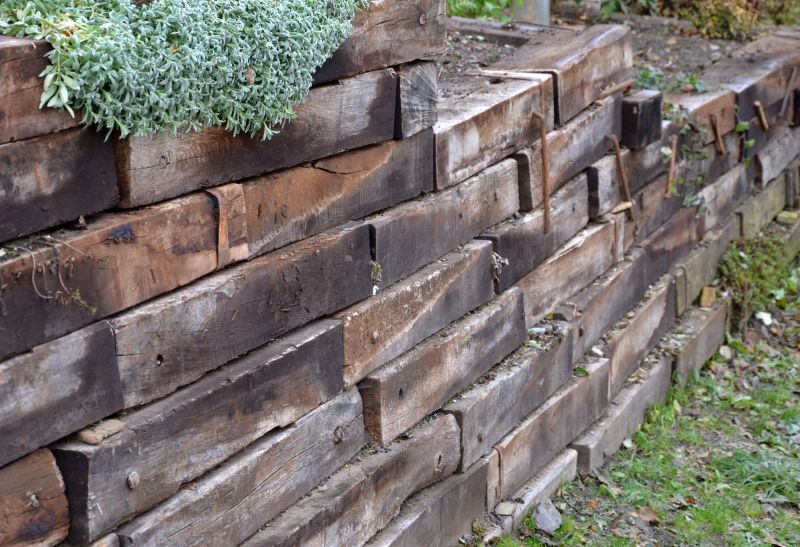
Timber Retaining Walls - cost-effective options suitable for garden borders and small-scale projects.
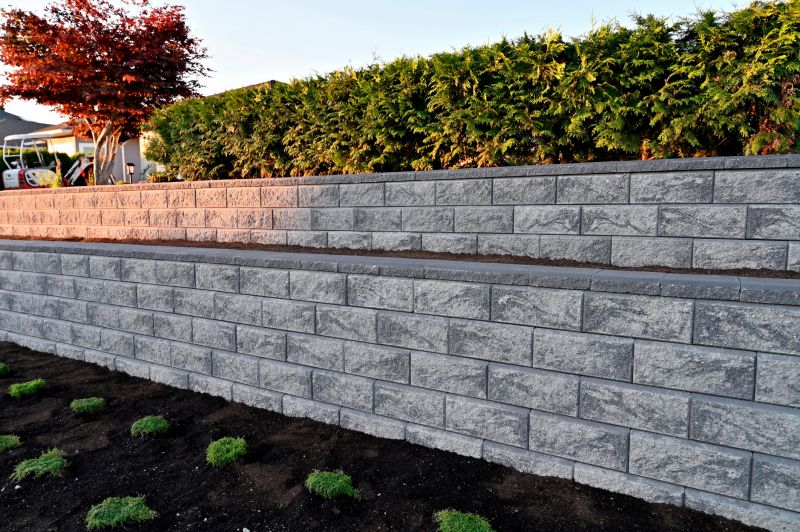
Segmental Block Walls - versatile and easy to install for property boundaries and terraced landscaping.
Reinforced Retaining Walls - designed for taller structures requiring additional stability and strength.
Retention Wall Construction Questions
What is a retaining wall used for? Retaining walls help hold back soil on sloped or uneven terrain, creating level areas for landscaping, patios, or gardens.
What materials are commonly used for retaining walls? Common materials include concrete, stone, brick, and timber, each offering different aesthetics and durability.
How does the soil type affect retaining wall construction? Soil type influences the design and stability requirements of the wall, with heavier or more unstable soils needing stronger reinforcement.
What should property owners consider before building a retaining wall? It’s important to assess the site conditions, drainage needs, and local regulations to ensure proper construction and long-term stability.
Request Retention Wall Construction in Daytona Beach, FL
Use the quote form on this page to share the basics of your project and request more information for the type of work you need.