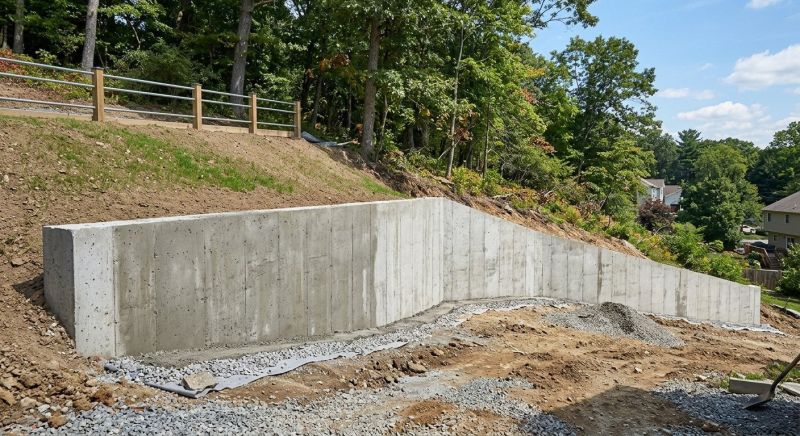
Retention Wall Installation in Clermont, FL
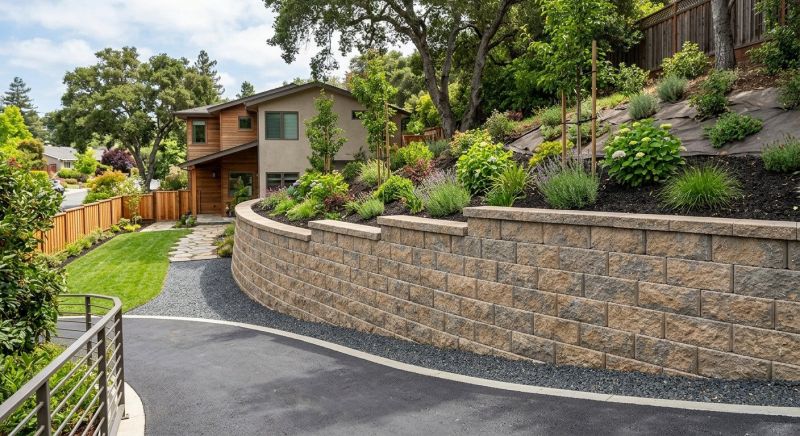
Retention wall installation services involve constructing sturdy barriers designed to hold back soil and prevent erosion on residential properties. These walls are commonly used in landscaping projects to create level areas, manage uneven terrain, or improve drainage. Homeowners often request retention walls for garden terraces, hillside stabilization, or to define property boundaries, ensuring both functionality and aesthetic appeal are achieved. Before requesting installation, property owners should consider factors such as the type of soil, the slope of the land, and the desired visual outcome, as these influence the choice of materials and design.
Understanding the different materials available, such as concrete, stone, or timber, helps homeowners select a retention wall that best suits their needs and property conditions. It’s also important to consider the size and height of the wall, as these impact structural requirements and permits. Property owners typically want to know about the durability, maintenance needs, and overall lifespan of the materials used, as well as any local regulations that might apply to retaining wall construction. Clear communication about these aspects can help ensure the project meets expectations and enhances the property’s stability and appearance.
Many property owners in Clermont, FL look into Retention Wall Installation for repairs, replacements, upgrades, and appearance-related improvements.
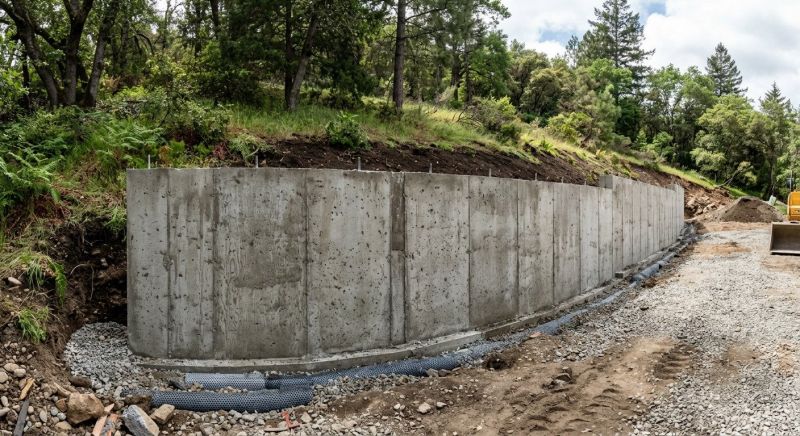
Retaining Wall Materials
A variety of materials are available to complement different property styles and needs.
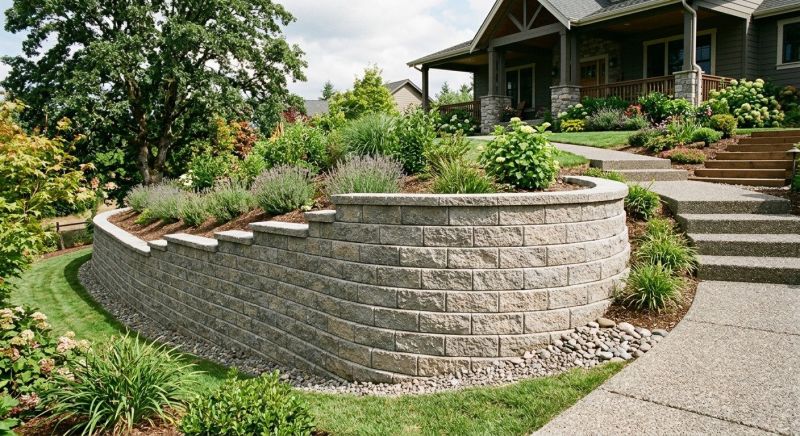
Design And Functionality
Retaining walls can enhance landscape aesthetics while providing erosion control and property support.
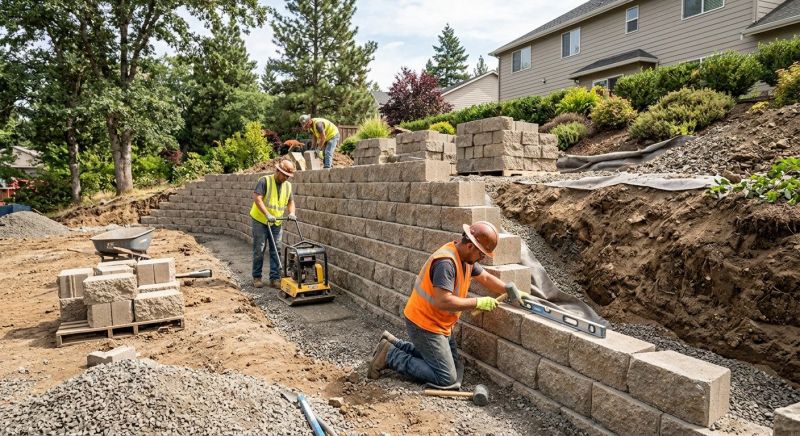
Installation Considerations
Proper installation ensures stability and durability for retaining walls in clermont and surrounding areas.
Retention Wall Installation in Clermont, FL
Retention wall installation services involve constructing sturdy barriers designed to hold back soil and prevent erosion on residential properties. These walls are commonly used in landscaping projects to create level areas, manage uneven terrain, or improve drainage. Homeowners often request retention walls for garden terraces, hillside stabilization, or to define property boundaries, ensuring both functionality and aesthetic appeal are achieved. Before requesting installation, property owners should consider factors such as the type of soil, the slope of the land, and the desired visual outcome, as these influence the choice of materials and design.
Understanding the different materials available, such as concrete, stone, or timber, helps homeowners select a retention wall that best suits their needs and property conditions. It’s also important to consider the size and height of the wall, as these impact structural requirements and permits. Property owners typically want to know about the durability, maintenance needs, and overall lifespan of the materials used, as well as any local regulations that might apply to retaining wall construction. Clear communication about these aspects can help ensure the project meets expectations and enhances the property’s stability and appearance.
Many property owners in Clermont, FL look into Retention Wall Installation for repairs, replacements, upgrades, and appearance-related improvements.
Common Retention Wall Installation Jobs
Concrete Retaining Walls - durable structures that provide stability and prevent soil erosion.
Stone Retaining Walls - natural stone options that enhance landscape aesthetics and function.
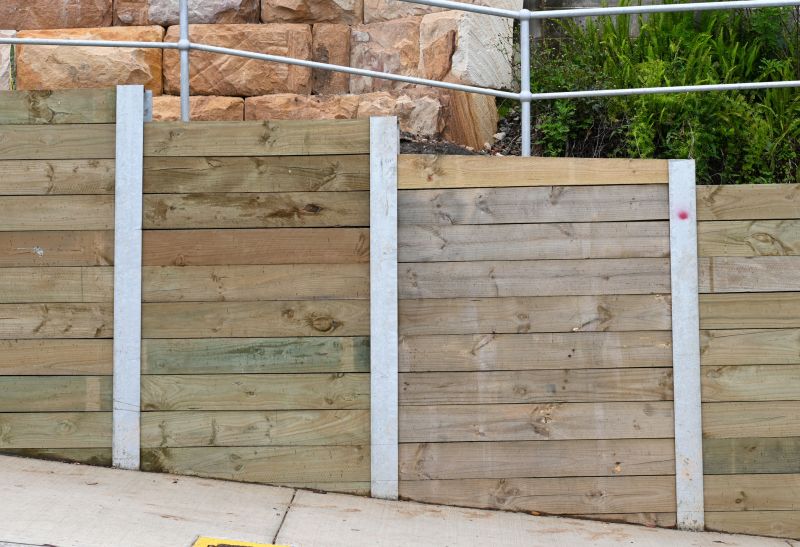
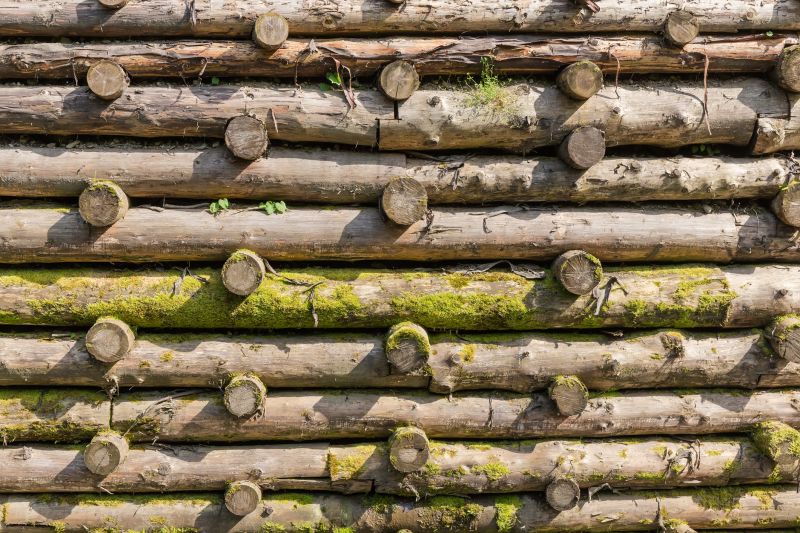
Wood Retaining Walls - versatile and cost-effective solutions for level changes and garden support.
Segmental Block Walls - modular systems designed for easy installation and long-lasting performance.
Gabion Walls - wire mesh containers filled with rocks for a unique, modern look and strong support.
Terraced Retaining Walls - multi-level structures that create functional and attractive garden spaces.
Retention Wall Installation Questions
What is a retention wall used for? Retention walls help hold back soil and prevent erosion on sloped properties, creating level areas for landscaping or construction.
What materials are common for retention wall installation? Common materials include concrete blocks, natural stone, timber, and poured concrete, chosen based on project needs and aesthetic preferences.
How does the terrain affect retention wall design? Steeper or uneven terrain may require stronger or taller walls, with additional reinforcement to ensure stability and durability.
What should property owners consider before installing a retention wall? It's important to assess soil conditions, drainage, and intended use to select the appropriate type and design for the wall.
Request Retention Wall Installation in Clermont, FL
Use the quote form on this page to share the basics of your project and request more information for the type of work you need.