
Leading Products To Enhance Your Retaining Wall Projects
Identify top-rated products that improve stability, ease of installation, and overall performance of your retaining walls.
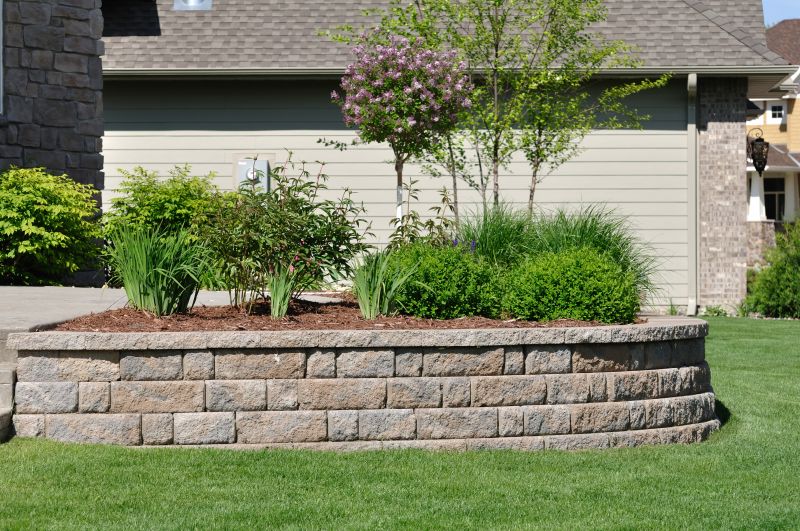 Retaining wall installations serve both functional and aesthetic purposes in landscape design, helping to manage soil erosion, create level areas, and add visual interest to outdoor spaces. Selecting the right products for constructing and maintaining these walls is essential for ensuring stability and durability over time. From foundational materials to finishing touches, a variety of products are available to suit different types of retaining walls, whether they are made from concrete, stone, wood, or other materials.
Top Overall Option
Concrete Retaining Wall Blocks
Concrete retaining wall blocks are versatile and widely used for constructing durable and stable walls. They come in various shapes, sizes, and textures, allowing for customization and aesthetic appeal. Their strength and resistance to weathering make them suitable for a range of landscape applications, from garden borders to large structural walls.
Types of Products For Retaining Wall Installations
Concrete Retaining Wall Blocks
Precast concrete blocks designed specifically for retaining walls, offering strength and versatility.
Natural Stone Veneer
Real or manufactured stone used to add natural aesthetic appeal to retaining walls.
Wood Timbers
Timber logs or planks used for rustic or traditional retaining walls, suitable for low-height structures.
Gabion Baskets
Wire cages filled with rocks or other materials, providing a flexible and permeable wall option.
Geogrids and Reinforcement Fabrics
Synthetic grids used to reinforce soil and improve stability of the retaining wall.
Drainage Pipes and Systems
Components designed to facilitate water runoff and prevent pressure buildup behind the wall.
Mortar and Adhesives
Materials used to secure blocks and stones, ensuring stability and longevity.
Landscape Fabric
Geotextile fabrics used to separate soil layers and prevent weed growth within the wall structure.
Retaining Wall Caps
Decorative caps that finish the top of the wall for a polished look and added protection.
Steel Reinforcing Bars
Metal bars used to reinforce concrete or masonry walls for additional strength.
Drainage Gravel
Gravel used behind walls to facilitate drainage and reduce water pressure.
Landscape Edging
Edging materials that define the boundary and support the retaining structure.
Planting Soil and Topsoil
Specialized soils for planting on or around retaining walls to enhance landscape integration.
Erosion Control Mats
Matting materials that help stabilize soil and prevent erosion during and after installation.
Concrete Pavers
Interlocking pavers suitable for creating decorative or functional retaining wall surfaces.
Popular Choices
Commonly used for their durability and ease of installation in various retaining wall projects.
Popular for its aesthetic appeal and natural look, often used in rustic landscape designs.
Favored for low-height walls and rustic landscapes, offering a natural and warm appearance.
Increasingly used for their permeable and flexible nature, suitable for erosion control.
Essential for managing water flow and reducing pressure behind the wall, widely adopted in various projects.
Popular for finishing touches, providing a clean and polished top edge.
Commonly used to strengthen concrete and masonry walls, enhancing stability.
Frequently selected to prevent weed growth and improve soil separation.
Chosen for their ease of installation and decorative potential in retaining wall surfaces.
Popular for stabilizing slopes and newly constructed walls during early stages.
Commonly used to reinforce concrete structures within retaining walls.
Widely used to facilitate water movement and prevent structural issues caused by water buildup.
Often selected for planting beds atop or behind retaining walls to support plant growth.
Proper installation begins with understanding the specific requirements of your project, including soil type, wall height, and load-bearing needs. Using quality components such as geogrids, drainage systems, and durable wall blocks can significantly influence the longevity of the structure. It is also important to consider ease of installation, especially for DIY enthusiasts, as well as compatibility with existing landscape features.
Different products cater to different aspects of retaining wall construction—from foundational support to decorative facades. For example, retaining wall blocks come in various shapes, sizes, and textures, allowing for customization in design. Reinforcement materials like geogrids help stabilize the soil, while drainage pipes prevent water buildup that could undermine the wall's integrity. Selecting appropriate adhesives or mortar ensures that the components stay securely in place, contributing to the overall stability.
Investing in the right products can simplify the building process and enhance the structural performance of your retaining wall. Whether you are constructing a small garden feature or a large retaining structure, understanding the range of available materials and their specific functions can help you make informed decisions. Proper planning and product selection are key to achieving a safe, attractive, and long-lasting landscape feature.
Key Buying Considerations
- Determine the height and load requirements of your retaining wall to select appropriate materials.
- Consider the soil type and drainage needs to prevent water accumulation and pressure buildup.
- Choose durable materials that can withstand local weather conditions and aging factors.
- Evaluate the ease of installation, especially if planning a DIY project, and whether professional help is needed.
- Assess the aesthetic appeal and how the product integrates with your landscape design.
- Check compatibility of different products, such as matching wall blocks with caps and reinforcement materials.
- Consider the environmental conditions, such as freeze-thaw cycles, which can impact material longevity.
- Review the available support and warranty options from suppliers or manufacturers.
- Factor in the maintenance requirements of the chosen materials over time.
- Estimate the total project budget, including materials, tools, and potential labor costs.
- Identify the need for reinforcement or additional structural support based on wall height and soil pressure.
- Ensure that drainage solutions are incorporated to prevent water-related issues.
- Select products that allow for future expansion or modifications if your landscape plans evolve.
- Research local building codes and regulations that may influence product choices and installation methods.
- Prioritize safety features, such as secure fastening options and stable base materials.